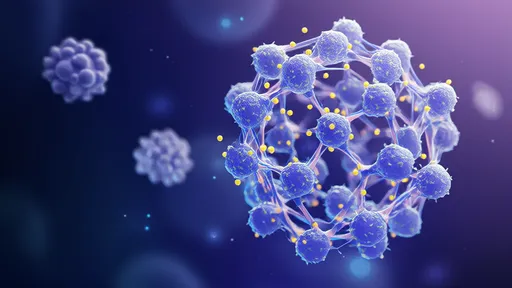
In the ever-evolving landscape of aging research, a novel class of biological molecules has emerged from the shadows of cellular biology, capturing the attention of scientists and longevity enthusiasts alike. Mitochondrial-derived peptides (MDPs), once considered mere byproducts of mitochondrial protein synthesis, are now at the forefront of discussions on aging intervention. These small peptides, encoded within the mitochondrial DNA, have demonstrated a remarkable capacity to influence cellular processes linked to aging, offering a fresh perspective on how we might delay the inevitable decline associated with growing older.
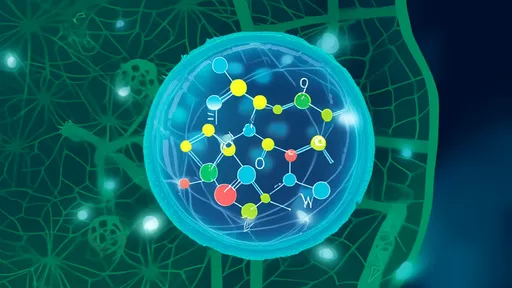
The story of mitochondrial-derived peptides begins with the discovery of humanin, the first identified MDP, which was found to exhibit cytoprotective properties. Subsequent research has unveiled other members of this family, such as MOTS-c and SHLP1-6, each with unique functions that contribute to cellular health. Unlike traditional proteins, these peptides are encoded in the mitochondrial genome and are involved in signaling pathways that regulate metabolism, stress response, and inflammation. Their ability to modulate these pathways positions them as critical players in the maintenance of cellular homeostasis, a key factor in aging gracefully.
One of the most compelling aspects of mitochondrial-derived peptides is their role in mitigating age-related metabolic dysfunction. As organisms age, metabolic efficiency declines, leading to issues such as insulin resistance and reduced energy production. MOTS-c, for instance, has been shown to improve insulin sensitivity and enhance glucose metabolism in animal models. This peptide acts by activating the AMPK pathway, a cellular energy sensor that promotes metabolic balance. By restoring metabolic function, MOTS-c not only combats age-related metabolic disorders but also supports overall vitality, making it a promising candidate for therapeutic development.
Beyond metabolism, mitochondrial-derived peptides exhibit potent antioxidant and anti-inflammatory properties. Oxidative stress and chronic inflammation are hallmarks of aging, contributing to the deterioration of tissues and organs. Humanin, in particular, has demonstrated the ability to reduce oxidative damage by scavenging free radicals and enhancing the activity of endogenous antioxidant systems. Additionally, it modulates inflammatory responses by inhibiting the activation of pro-inflammatory pathways. These actions help protect cells from the cumulative damage that accelerates aging, suggesting that boosting levels of these peptides could slow down the aging process.
The impact of mitochondrial-derived peptides on cellular senescence further underscores their potential as aging interventions. Cellular senescence, a state in which cells cease to divide and secrete harmful factors, is a major driver of aging and age-related diseases. Research indicates that humanin and other MDPs can delay the onset of senescence by promoting cell survival and reducing DNA damage. This not only helps maintain tissue function but also reduces the burden of senescent cells, which are known to contribute to chronic inflammation and organ dysfunction. By targeting senescence, MDPs offer a dual approach to aging: preserving cellular function and eliminating detrimental cells.
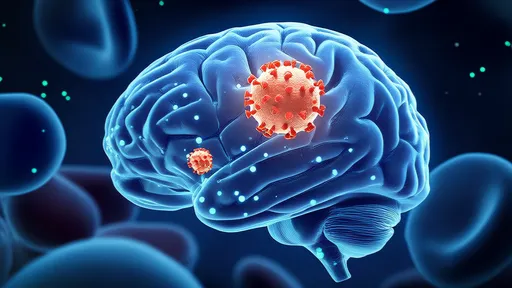
Another fascinating dimension of mitochondrial-derived peptides is their influence on neuroprotection and cognitive health. Aging is often accompanied by a decline in cognitive function, partly due to neuronal damage and reduced synaptic plasticity. Humanin has been found to protect neurons from toxicity associated with Alzheimer's disease and other neurodegenerative conditions. It enhances neuronal survival and function, potentially slowing cognitive decline. This neuroprotective effect, combined with its anti-inflammatory actions, positions humanin as a valuable agent in the fight against brain aging, offering hope for maintaining mental acuity well into later life.
The therapeutic potential of mitochondrial-derived peptides is not limited to isolated cellular effects; they also appear to modulate systemic aging processes. Studies in model organisms have shown that administration of MOTS-c or humanin can extend lifespan and improve healthspan—the period of life spent in good health. These peptides achieve this by integrating signals across multiple tissues, promoting coordination between organs to maintain overall physiological balance. This systemic approach is crucial for effective aging intervention, as aging is a whole-body phenomenon that requires comprehensive strategies rather than targeted fixes.
Despite the promising findings, translating the benefits of mitochondrial-derived peptides into clinical applications presents challenges. The stability, delivery, and dosage of these peptides need to be optimized to ensure efficacy and safety in humans. Researchers are exploring various methods, including peptide analogs and gene therapy, to enhance their therapeutic potential. Moreover, understanding the precise mechanisms through which MDPs exert their effects will be essential for developing targeted interventions. Collaborative efforts between academia and industry are underway to overcome these hurdles, bringing us closer to realizing the anti-aging promise of these mitochondrial marvels.
Looking ahead, the study of mitochondrial-derived peptides opens new avenues for personalized aging interventions. Genetic variations in mitochondrial DNA can influence the production and function of MDPs, suggesting that individuals may respond differently to therapies based on their mitochondrial heritage. This personalized approach could maximize the effectiveness of treatments, tailoring them to an individual's unique biological makeup. As research progresses, we may see the development of MDP-based diagnostics and therapeutics that not only delay aging but also prevent age-related diseases, revolutionizing how we approach longevity.
In conclusion, mitochondrial-derived peptides represent a groundbreaking advancement in the field of aging research. Their multifaceted roles in metabolism, inflammation, cellular senescence, and neuroprotection highlight their potential as powerful agents for promoting healthy aging. While challenges remain in harnessing their full therapeutic potential, the ongoing scientific exploration promises to unlock new strategies for extending healthspan and improving quality of life in our later years. As we continue to decode the secrets of these tiny peptides, we move closer to a future where aging is not just slowed, but transformed into a period of sustained health and vitality.
By /Aug 27, 2025

By /Aug 27, 2025
By /Aug 27, 2025

By /Aug 27, 2025

By /Aug 27, 2025
By /Aug 27, 2025
By /Aug 27, 2025

By /Aug 27, 2025

By /Aug 27, 2025
By /Aug 27, 2025

By /Aug 27, 2025

By /Aug 27, 2025

By /Aug 27, 2025
By /Aug 27, 2025

By /Aug 27, 2025

By /Aug 27, 2025
By /Aug 27, 2025
By /Aug 27, 2025
By /Aug 27, 2025

By /Aug 27, 2025