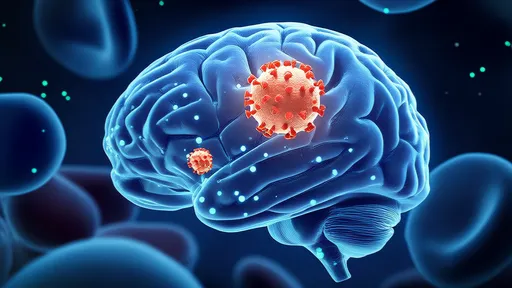
In a landmark development that could reshape the treatment landscape for neurological disorders, researchers have achieved a dramatic breakthrough in gene therapy delivery. Scientists have successfully engineered adeno-associated virus (AAV) vectors with a vastly improved ability to cross the blood-brain barrier, effectively doubling their delivery efficiency to the central nervous system. This long-standing hurdle has been one of the most significant challenges in developing effective treatments for conditions like Alzheimer's, Parkinson's, and various genetic brain diseases.
The blood-brain barrier, a highly selective membrane that protects the brain from toxins and pathogens in the bloodstream, has historically been a formidable gatekeeper. While it is essential for health, it also blocks approximately 98% of all small-molecule drugs and nearly 100% of large-molecule therapeutics, including gene therapies, from reaching their targets in the brain. For decades, researchers have attempted to bypass this barrier using invasive methods like direct injection into the brain or temporary disruption of the barrier's integrity, both of which carry substantial risks. The new approach is revolutionary because it works with the body's natural systems rather than against them, using a Trojan Horse strategy to gain entry.
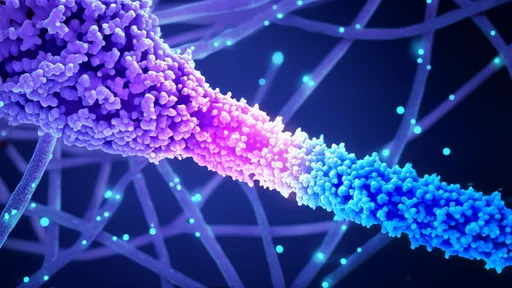
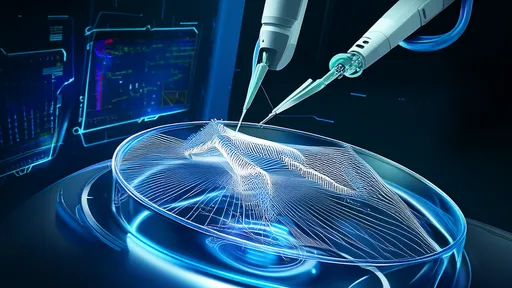
The key to this advancement lies in the meticulous redesign of the AAV capsid—the protein shell that encases the therapeutic genetic material. The research team employed a sophisticated technique known as directed evolution. They created vast libraries of AAV variants, each with slight modifications to the proteins on the viral surface. These libraries were then administered to animal models, and the researchers meticulously recovered and analyzed the vectors that successfully traversed the blood-brain barrier and reached brain tissue. The most successful candidates from each round were iteratively refined and tested again, a process that pushed the vectors to evolve a superior ability to cross the barrier.
The resulting, evolved AAV vectors exhibit a novel tropism, or preference, for the receptors and transport mechanisms present on the endothelial cells that line the brain's blood vessels. Early data from preclinical studies are nothing short of astounding. The new vectors demonstrate an efficiency of transduction—delivering their genetic payload into brain cells—that is approximately twice that of any previously available AAV serotype. This isn't a marginal improvement; it is a quantum leap that translates to a higher dose of therapy reaching the critical target areas with a lower overall systemic dose, thereby potentially reducing side effects.
The implications of this efficiency倍增 are profound for the field of neurology. For monogenic disorders like Huntington's disease, Rett syndrome, or certain forms of amyotrophic lateral sclerosis (ALS), where a single faulty gene is the cause, the ability to reliably deliver a corrective gene to a sufficient number of neurons could transition these conditions from being manageable to potentially curable. It opens the door to one-time, transformative treatments that address the root cause of the disease, rather than just alleviating symptoms.
Beyond rare genetic diseases, this technology holds immense promise for more common neurodegenerative conditions. In Alzheimer's disease, for instance, researchers could use these vectors to deliver genes that instruct brain cells to produce enzymes that break down toxic tau or amyloid-beta plaques. For Parkinson's, vectors could be designed to deliver genes for neurotrophic factors that protect and rejuvenate deteriorating dopamine-producing neurons, potentially halting or even reversing the progression of the disease.
The road from this exciting preclinical breakthrough to widely available therapies still requires navigating the complex pathway of clinical trials. Regulatory agencies like the FDA will require extensive safety data to ensure that these engineered vectors do not elicit dangerous immune responses or have off-target effects in other organs. However, the use of AAV platforms is well-established in gene therapy, with several approved products on the market for other conditions, which provides a strong regulatory foundation to build upon. Researchers are optimistic that the first human trials for neurology applications could begin within the next few years.
This breakthrough also catalyzes a broader shift in biomedical research. It validates the power of bioengineering approaches like directed evolution to solve complex biological delivery problems. The same principles used to evolve AAVs for the brain could be applied to develop vectors that target other hard-to-reach organs or specific cell types within the body with unprecedented precision, ushering in a new era of targeted gene medicine. The success here proves that with ingenuity, even the most protective biological barriers are not impervious.
In conclusion, the engineering of AAV vectors to double their efficiency in crossing the blood-brain barrier is a watershed moment. It dismantles a major obstacle that has stifled neurological drug development for generations. By providing a key to unlock the brain, this innovation not only brightens the prospects for millions of patients awaiting effective treatments but also redefines what is possible in the quest to conquer some of medicine's most challenging diseases.
By /Aug 27, 2025

By /Aug 27, 2025
By /Aug 27, 2025
By /Aug 27, 2025

By /Aug 27, 2025

By /Aug 27, 2025
By /Aug 27, 2025

By /Aug 27, 2025

By /Aug 27, 2025

By /Aug 27, 2025

By /Aug 27, 2025

By /Aug 27, 2025

By /Aug 27, 2025

By /Aug 27, 2025

By /Aug 27, 2025

By /Aug 27, 2025

By /Aug 27, 2025
By /Aug 27, 2025

By /Aug 27, 2025

By /Aug 27, 2025