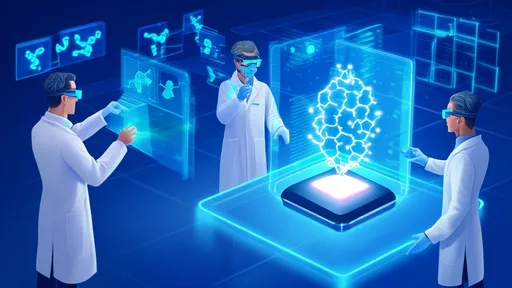
In a landmark achievement that blurs the line between computational prediction and biological creation, artificial intelligence has now demonstrated the capability to design entirely novel functional proteins from scratch. This breakthrough, emerging from collaborative efforts between leading AI research labs and molecular biology institutes, represents a paradigm shift in protein engineering—a field historically constrained by natural evolutionary templates and laborious trial-and-error experimentation.
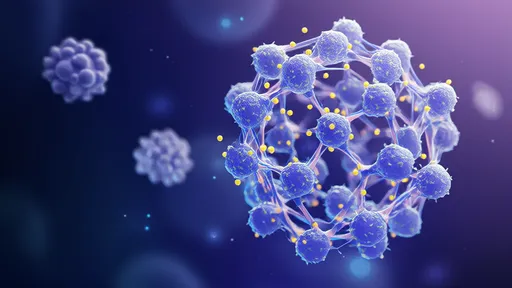
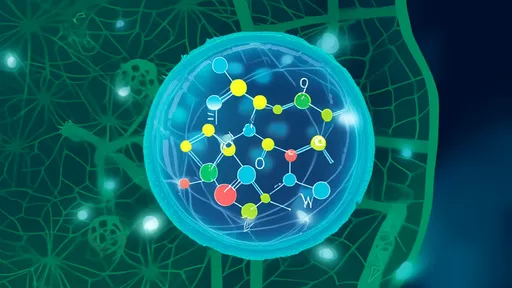
The core innovation lies in deep learning architectures that have been trained on immense datasets of known protein structures and sequences. Unlike previous computational tools that merely predicted existing protein behaviors or suggested minor mutations, these new AI systems operate as generative models. They conceive protein blueprints that do not exist in nature yet fold into stable, functional three-dimensional shapes. Researchers describe the process as providing the AI with a desired function—say, binding to a specific cancer marker or catalyzing a particular chemical reaction—and the algorithm designs a protein sequence predicted to perform that task with high efficiency.
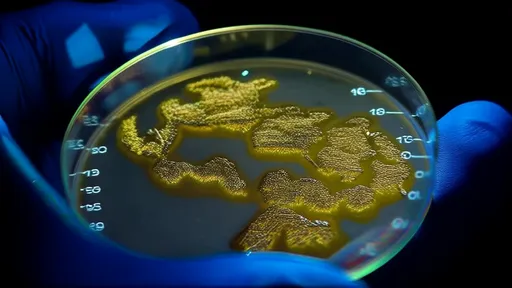
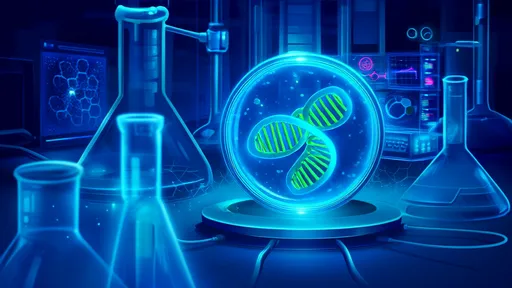
One of the most compelling aspects of this advancement is the move from in silico design to physical validation. For years, computational biologists could design proteins on computers, but having them actually fold and function as intended in a wet lab was the true hurdle. The latest AI-generated proteins have successfully cleared this barrier. Synthesized genes, when expressed in cellular systems, produced proteins that adopted their predicted structures with remarkable accuracy, as confirmed by advanced techniques like cryo-electron microscopy and X-ray crystallography. Their intended functions, whether enzymatic activity or molecular binding, were robustly demonstrated in vitro and, in some early cases, in living cells.
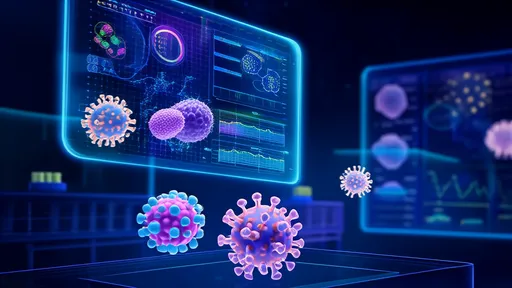
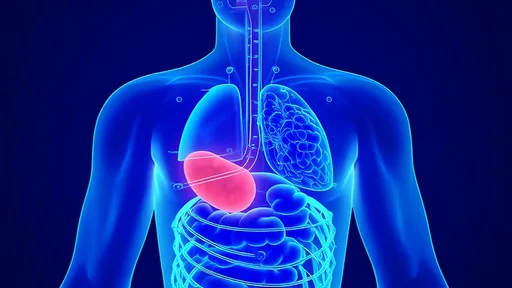
The implications for therapeutic development are profound. The pharmaceutical industry is particularly excited about the potential to design de novo antibodies, enzymes, and peptides with tailor-made properties. Imagine creating a hyper-stable enzyme that can break down plastic waste under ambient conditions, or designing a therapeutic protein that precisely neutralizes a virus without triggering an adverse immune response. This technology promises to accelerate drug discovery timelines from years to months, opening avenues for treating diseases that have been largely unaddressable with conventional biologics.
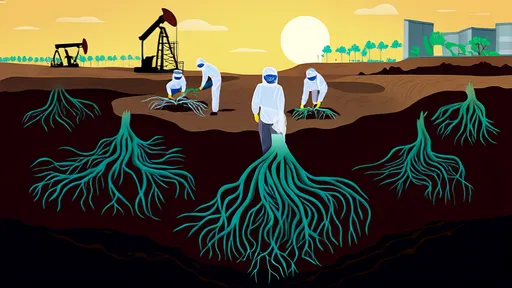
Beyond medicine, the ripple effects will be felt across industrial biotechnology, materials science, and synthetic biology. AI-designed proteins could lead to more efficient biofuels, novel biodegradable materials, and entirely new biological circuits for cellular computation. The ability to design proteins to order is akin to gaining a new language for programming the machinery of life, offering unprecedented control over biological processes.
However, this powerful technology is not without its challenges and ethical considerations. The accuracy, while impressive, is not yet perfect; some designed proteins may exhibit off-target effects or unforeseen immunogenicity, necessitating rigorous testing. Furthermore, the potential for misuse, such as the design of toxins or bioweapons, necessitates the development of robust ethical frameworks and security protocols within the global scientific community. The teams behind these breakthroughs have emphasized a commitment to responsible open science, sharing their findings while advocating for international guidelines to govern this powerful new capability.
As the field progresses, the focus is shifting toward increasing the complexity of the functions that can be designed and improving the success rate of translation from digital model to physical reality. The next frontier involves designing multi-protein machines and dynamic systems that can respond to environmental cues. This is not merely an incremental improvement in protein engineering; it is the dawn of a new era where we move from discovering biology to writing it.
By /Aug 27, 2025
By /Aug 27, 2025
By /Aug 27, 2025
By /Aug 27, 2025
By /Aug 27, 2025
By /Aug 27, 2025
By /Aug 27, 2025
By /Aug 27, 2025
By /Aug 27, 2025
By /Aug 27, 2025
By /Aug 27, 2025
By /Aug 27, 2025
By /Aug 27, 2025
By /Aug 27, 2025
By /Aug 27, 2025
By /Aug 27, 2025
By /Aug 27, 2025
By /Aug 27, 2025
By /Aug 27, 2025
By /Aug 27, 2025