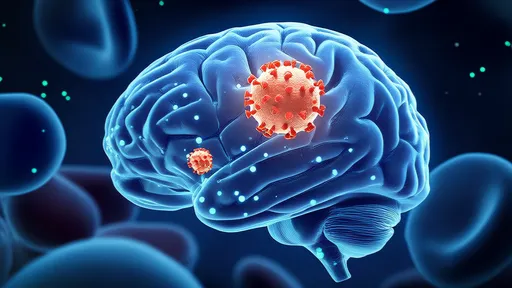
In a groundbreaking development that reshapes our understanding of the intricate dialogue between gut and brain, scientists have unveiled a sophisticated signaling mechanism through which gut microbiota communicate with the central nervous system via the vagus nerve. This discovery not only deepens our comprehension of the gut-brain axis but also opens new therapeutic avenues for a range of neurological and psychiatric conditions.
The vagus nerve, the longest cranial nerve in the body, has long been recognized as a critical information superhighway linking the gut and the brain. However, the precise mechanisms by which gut microbes influence brain function through this neural pathway have remained elusive. Recent research, however, has begun to decode this complex language, revealing a fascinating system of biochemical communication.
At the heart of this communication are microbial metabolites—small molecules produced by the diverse community of bacteria residing in our intestines. These metabolites, including short-chain fatty acids like butyrate, propionate, and acetate, as well as neurotransmitters and other neuroactive compounds, are now understood to directly stimulate sensory fibers of the vagus nerve. This stimulation initiates a cascade of neural signals that travel from the gut to the brainstem, ultimately influencing various brain regions involved in mood regulation, cognition, and stress response.
What makes this discovery particularly remarkable is the specificity of the signaling. Different bacterial strains appear to produce distinct metabolite profiles that elicit unique neural responses. For instance, certain probiotic species have been shown to produce molecules that specifically activate vagal pathways associated with reduced anxiety and improved mood, while other microbial signals may influence appetite regulation or inflammatory responses in the brain.
The implications of these findings extend far beyond basic science. Understanding how gut microbes communicate with the brain through the vagus nerve provides a mechanistic foundation for the growing evidence linking gut health to mental well-being. It offers a biological explanation for why alterations in gut microbiota composition—whether through diet, antibiotics, or stress—can have profound effects on neurological function and mental health.
This research also sheds light on why vagus nerve stimulation has shown promise in treating conditions like depression and epilepsy. The new findings suggest that such treatments may work, at least in part, by modulating the gut-brain communication pathway, potentially enhancing or mimicking the signals sent by beneficial gut microbes.
Looking forward, this discovery paves the way for novel therapeutic approaches. Rather than targeting the brain directly, future treatments might focus on modulating the gut microbiome or enhancing vagal signaling to treat neurological and psychiatric disorders. This could include developing psychobiotics—specifically designed probiotic formulations that optimize the production of neuroactive metabolites—or creating drugs that target vagal receptors sensitive to microbial signals.
The study of the gut-brain axis continues to reveal surprising complexities, reminding us that our mental and neurological health is deeply interconnected with the microbial world within us. As research progresses, we move closer to harnessing this knowledge for innovative treatments that work with, rather than against, our body's natural systems.
By /Aug 27, 2025

By /Aug 27, 2025
By /Aug 27, 2025
By /Aug 27, 2025
By /Aug 27, 2025
By /Aug 27, 2025
By /Aug 27, 2025
By /Aug 27, 2025

By /Aug 27, 2025
By /Aug 27, 2025
By /Aug 27, 2025

By /Aug 27, 2025

By /Aug 27, 2025
By /Aug 27, 2025
By /Aug 27, 2025

By /Aug 27, 2025
By /Aug 27, 2025
By /Aug 27, 2025
By /Aug 27, 2025
By /Aug 27, 2025