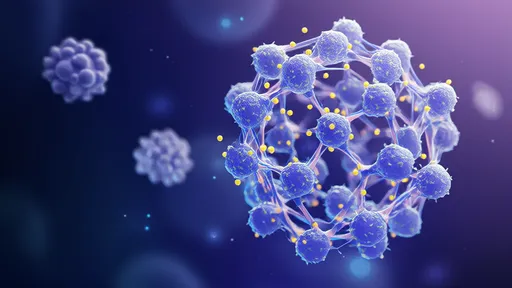
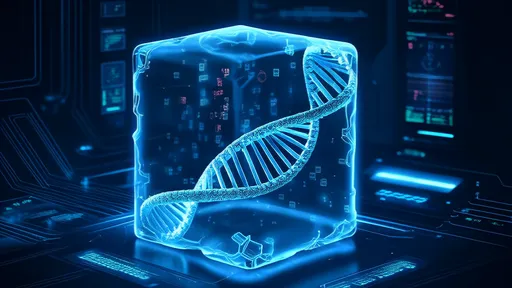
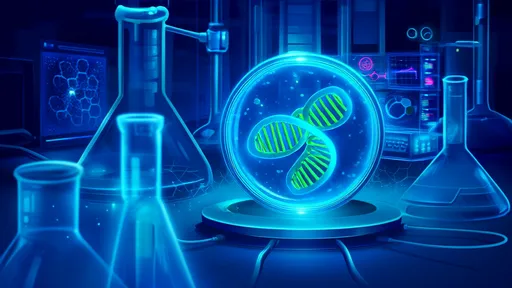
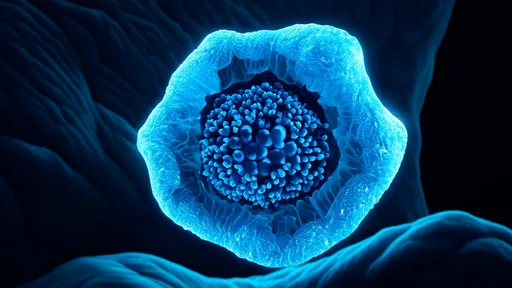
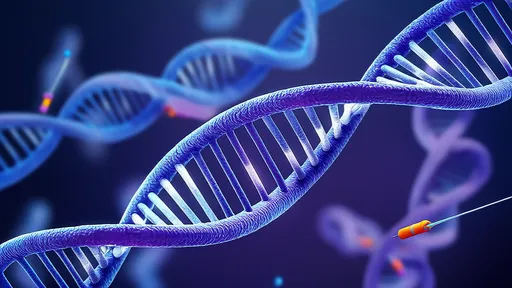
In the rapidly evolving landscape of nanotechnology, a groundbreaking frontier has emerged with the development of DNA nanomachines—programmable nucleic acid devices engineered to perform precise tasks within living cells. These molecular constructs, built from the very fabric of genetic material, represent a fusion of biological insight and engineering ingenuity, offering unprecedented control over cellular processes. Unlike conventional nanomaterials, DNA nanomachines leverage the predictable base-pairing properties of DNA to create dynamic structures capable of movement, sensing, and execution of functions at the nanoscale. This innovation is poised to revolutionize fields from targeted drug delivery to synthetic biology, blurring the lines between biological systems and human-made machinery.
The foundation of DNA nanotechnology lies in the unique properties of DNA molecules. Each strand consists of nucleotides that bind specifically to complementary sequences, allowing researchers to design structures with atomic-level precision. By exploiting this programmability, scientists can create not just static shapes but also dynamic devices that respond to environmental triggers such as pH changes, light, or the presence of specific molecules. These machines can be designed to walk along tracks, open and close like tweezers, or even assemble and disassemble on command, mimicking the functions of macroscopic machinery but on a scale thousands of times smaller than a human cell.
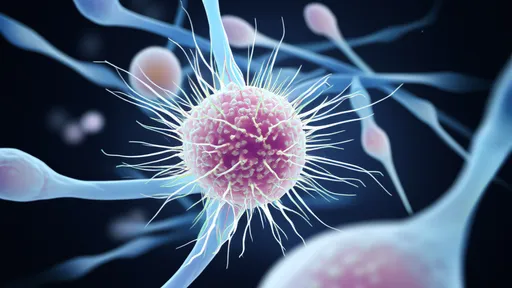
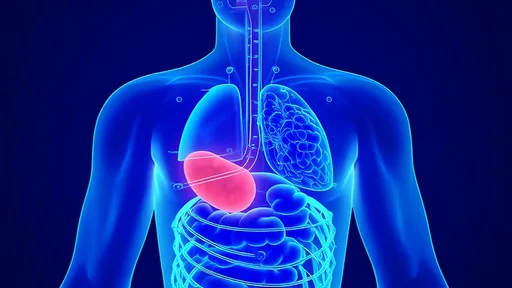
One of the most promising applications of DNA nanomachines is in the realm of medicine, particularly for targeted therapeutics. Traditional drug delivery methods often suffer from off-target effects, where medications affect healthy tissues alongside diseased ones. DNA nanomachines offer a solution by acting as smart carriers that release their payload only in response to specific cellular conditions. For instance, a nanomachine might be programmed to unfold and deliver anticancer drugs exclusively in tumor cells, which often exhibit distinct pH levels or protein markers. This targeted approach minimizes side effects and enhances treatment efficacy, heralding a new era of precision medicine.
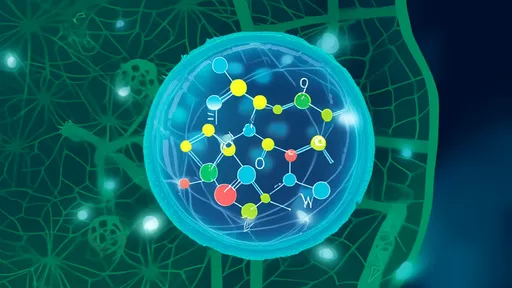
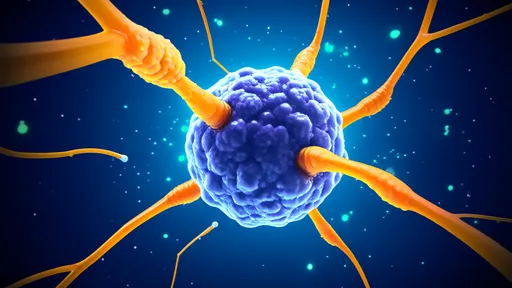
Beyond drug delivery, these nucleic acid devices are being harnessed for intracellular sensing and diagnostics. Equipped with aptamers—synthetic DNA or RNA molecules that bind to specific targets—DNA nanomachines can detect biomarkers associated with diseases like cancer or viral infections. Upon binding, the machine may undergo a conformational change that produces a measurable signal, such as fluorescence, alerting researchers or even triggering a therapeutic response in real time. This capability transforms cells into readable systems, where abnormalities can be identified and addressed at their earliest stages, potentially before symptoms manifest.
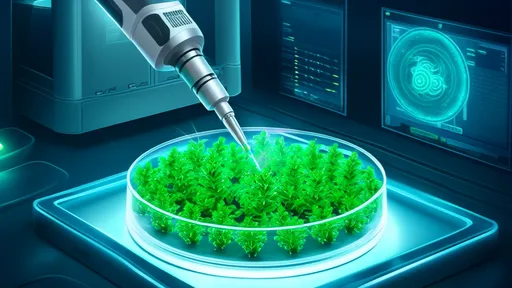
The engineering of DNA nanomachines also opens doors to advanced synthetic biology applications. Researchers are designing these devices to manipulate genetic circuits within cells, acting as switches or logic gates that control gene expression. For example, a nanomachine might be programmed to activate a gene only when multiple conditions are met, such as the presence of a specific metabolite and a certain temperature. This level of control enables the creation of sophisticated cellular behaviors, from producing biofuels to manufacturing complex molecules, effectively turning cells into bio-factories with programmable outputs.
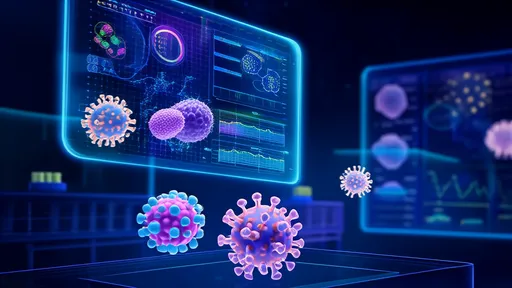
Despite their potential, the deployment of DNA nanomachines inside living cells is not without challenges. Cellular environments are complex and hostile, with nucleases that can degrade foreign DNA, potentially dismantling the machines before they can perform their tasks. To combat this, scientists are developing chemically modified nucleotides or protective coatings that enhance stability without compromising functionality. Additionally, ensuring that these machines operate reliably amidst cellular noise—such as fluctuating ion concentrations or unintended interactions—requires rigorous testing and optimization, often through iterative design and computational modeling.
Ethical considerations also accompany the advancement of DNA nanomachines. As these technologies edge closer to clinical use, questions arise about long-term safety, unintended consequences, and the potential for misuse. Regulatory frameworks must evolve to address these concerns, balancing innovation with precaution. Moreover, public understanding and engagement are crucial to fostering trust and ensuring that societal values guide the development of such transformative technologies.
Looking ahead, the future of DNA nanomachines is bright with possibilities. Interdisciplinary collaborations between biologists, engineers, and computer scientists are driving innovations that could lead to even more complex and capable devices. Some researchers envision swarms of nanomachines working in concert to repair tissues or eradicate pathogens, while others explore integration with other nanomaterials, such as graphene or polymers, to enhance functionality. As tools like CRISPR have shown, the ability to program biological systems is a powerful paradigm shift, and DNA nanomachines are at the forefront of this revolution.
In conclusion, DNA nanomachines represent a remarkable convergence of biology and nanotechnology, offering programmable solutions for intracellular tasks that were once the realm of science fiction. From targeted drug delivery to intelligent diagnostics and synthetic biology, these devices hold the promise of transforming medicine and industry. While challenges remain, the relentless pace of innovation suggests that DNA nanomachines will soon become indispensable tools in our technological arsenal, reshaping how we interact with and harness the power of life at the molecular level.
By /Aug 27, 2025

By /Aug 27, 2025
By /Aug 27, 2025
By /Aug 27, 2025
By /Aug 27, 2025
By /Aug 27, 2025
By /Aug 27, 2025
By /Aug 27, 2025

By /Aug 27, 2025
By /Aug 27, 2025
By /Aug 27, 2025
By /Aug 27, 2025
By /Aug 27, 2025
By /Aug 27, 2025
By /Aug 27, 2025
By /Aug 27, 2025
By /Aug 27, 2025
By /Aug 27, 2025
By /Aug 27, 2025
By /Aug 27, 2025