Ecological Restoration Project: Microbial-Plant Combined Remediation of Petroleum Pollution

Aug 27, 2025 By

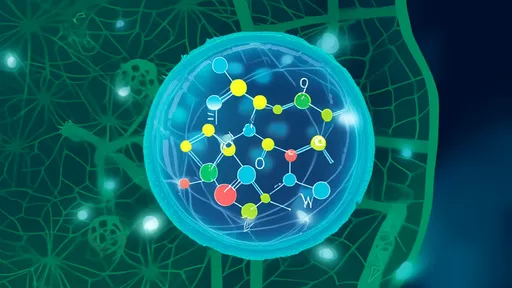
In the shadow of industrial progress, petroleum contamination remains one of the most stubborn environmental challenges of our time. From aging pipelines to accidental spills, hydrocarbons seep into the soil, creating toxic legacies that threaten ecosystems and human health. Traditional remediation methods—such as excavation, thermal desorption, or chemical washing—often come with high economic costs, significant energy consumption, and the risk of further disturbing fragile environments. But what if nature itself held the key to cleaning up these messes? A promising answer is emerging from the ground up: microbial-plant synergy, a sophisticated, self-sustaining partnership that is revolutionizing the field of ecological restoration.

The science behind this approach is as elegant as it is effective. It begins with the unseen world beneath our feet. Certain strains of bacteria and fungi possess a remarkable ability to metabolize petroleum hydrocarbons, breaking down complex molecules like benzene, toluene, and polycyclic aromatic hydrocarbons (PAHs) into simpler, non-toxic compounds such as carbon dioxide and water. This process, known as biodegradation, is nature's own detoxification program. However, its efficiency in the wild is often limited by factors like nutrient availability, oxygen levels, and the toxicity of the contaminants themselves. This is where the plants enter the picture, not as passive spectators, but as active ecosystem engineers.

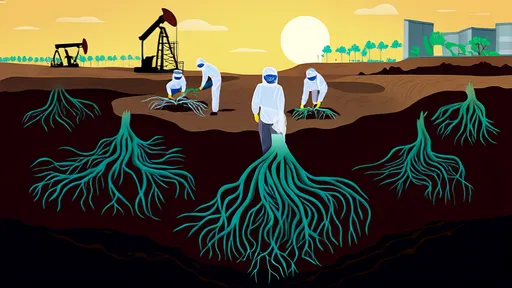
Specially selected plant species, often grasses like ryegrass or legumes like alfalfa, are introduced to the contaminated site. Their deep and extensive root systems do more than just hold the soil together. They create a rhizosphere—a dynamic zone of heightened microbial activity around the roots. As the roots grow, they naturally aerate the soil, alleviating oxygen starvation for aerobic hydrocarbon-degrading microbes. Furthermore, the plants exude a rich cocktail of sugars, acids, and enzymes from their roots. These exudates serve as a welcome meal for soil microbes, boosting their population and supercharging their metabolic activity. In essence, the plant is cultivating its own cleanup crew, feeding them and providing them with an ideal habitat to thrive and degrade the oil more efficiently.

The benefits of this partnership extend beyond supercharged biodegradation. The plants themselves contribute through a process called phytoremediation. Some contaminants are absorbed by the roots and either stored in the plant's tissues (phytoaccumulation) or transformed into less harmful substances (phytodegradation). Meanwhile, the physical presence of the vegetation prevents wind and water erosion, stopping the contaminants from spreading to new areas. Over time, this living system restores the soil's structure, organic matter content, and nutrient cycle, paving the way for the return of a fuller, more diverse ecosystem. It is a comprehensive healing process.

The real-world application of this technology is where theory meets dirt. The process is not a one-size-fits-all solution but a carefully tailored strategy. It starts with a thorough site assessment to understand the specific type and concentration of pollutants, the soil composition, and the local climate. Scientists then select the most effective duo or consortium of native or well-adapted plant species and hydrocarbon-degrading microorganisms. In many cases, these microbes are not just found but are specifically isolated from contaminated sites themselves, ensuring they are already primed for the task and can outcompete indigenous strains. They are often applied as a specialized inoculant to the seeds or soil during planting.

Field trials and pilot projects across the globe have yielded compelling evidence of its success. In one notable case, a chronically contaminated former industrial site showed a reduction in total petroleum hydrocarbons by over 80% within two growing seasons after treatment with a tailored grass-microbe combination, a result that would be far more costly and disruptive to achieve with mechanical methods. Another long-term study monitoring a remediated area found that not only were contaminant levels brought below regulatory thresholds, but soil health indicators like enzyme activity and microbial diversity had rebounded to near-pristine levels, demonstrating a true restoration of ecological function.

Despite its promise, the path to widespread adoption is not without its hurdles. The remediation process is inherently slower than aggressive engineering interventions, often requiring multiple growing seasons to achieve desired results, which can be a challenge for projects under tight regulatory deadlines. The effectiveness can also be limited in scenarios of extreme contamination, where toxicity outright kills the plants or overwhelms the microbes. Future research is intensely focused on overcoming these barriers. Scientists are experimenting with genetically engineered microbes and plants designed to possess hyper-degradation capabilities and greater resistance to toxicity. Other investigations are looking at the role of mycorrhizal fungi—the symbiotic partners of plant roots—to act as extended networks, further enhancing the reach and efficiency of the remediation process.

The shift towards microbial-plant combined remediation represents more than just a new technical tool; it signifies a profound philosophical shift in environmental management. It moves us away from a mindset of conquest and extraction—of digging up and carting away problems—and towards one of collaboration and regeneration. It asks us to work with natural processes rather than against them. This approach offers a sustainable, cost-effective, and ecologically harmonious path to healing the scars of petroleum pollution. It is a powerful reminder that some of the most advanced solutions are not found in a high-tech lab, but are patiently waiting in the natural world, ready to be unlocked and partnered with to mend the land.
Recommend Posts
Biology

Gene Therapy: AAV Vectors Double the Efficiency of Penetrating the Blood-Brain Barrier

By /Aug 27, 2025

In a landmark development that could reshape the treatment landscape for neurological disorders, researchers have achieved a dramatic breakthrough in gene therapy delivery. Scientists have successfully engineered adeno-associated virus (AAV) vectors with a vastly improved ability to cross the blood-brain barrier, effectively doubling their delivery efficiency to the central nervous system. This long-standing hurdle has been one of the most significant challenges in developing effective treatments for conditions like Alzheimer's, Parkinson's, and various genetic brain diseases.
Biology

Ecological Adaptation: Genomic Evidence of Behavioral Evolution in Urban Animals

By /Aug 27, 2025

In the sprawling concrete jungles that define our modern cities, a silent but profound evolutionary drama is unfolding. As human urbanization accelerates globally, countless animal species are confronting novel environments characterized by noise, artificial light, pollution, and fragmented habitats. While behavioral shifts in urban wildlife—from altered foraging strategies to changed reproductive timing—have been well-documented by ecologists, the underlying genetic mechanisms driving these adaptations have long remained enigmatic. Recent advances in genomic technologies, however, are beginning to peel back the layers of this complex process, offering unprecedented insights into how city life is literally rewriting the DNA of urban fauna.
Biology

Neuronal Regeneration: Transdifferentiation of Astrocytes into Neurons

By /Aug 27, 2025

The human brain has long been regarded as a largely static organ, its intricate circuitry fixed and unchangeable after development. For decades, the central dogma of neuroscience held that we are born with all the neurons we will ever have, and that damage to the brain—whether from injury, stroke, or neurodegenerative disease—was permanent. This pessimistic view, however, is being radically overturned by a revolutionary field of research focused on cellular reprogramming, particularly the direct conversion of one cell type into another within the living brain. At the forefront of this scientific renaissance is the astonishing potential of astrocytes, the most abundant cells in the central nervous system, to be transformed directly into functional neurons, offering a beacon of hope for treating conditions once thought untreatable.
Biology

Significant Breakthrough in the Artificial Synthesis Process of Spider Silk Protein

By /Aug 27, 2025

In a landmark achievement that could redefine material science and biomedical engineering, researchers have successfully developed a scalable method for synthesizing spider silk proteins artificially. This breakthrough, achieved after decades of global research efforts, promises to unlock the vast potential of one of nature's most remarkable materials for commercial and medical applications.
Biology

Microbial Mining: Commercial Application of Acidophilic Bacteria for Metal Extraction

By /Aug 27, 2025

The mining industry stands at the precipice of a quiet revolution, one driven not by heavy machinery or explosive charges, but by microscopic organisms. For decades, the concept of using bacteria to extract valuable metals from ores was confined to academic journals and pilot studies, viewed as a fascinating but commercially unviable niche. Today, that perception is rapidly changing. The commercialization of biomining, specifically using acid-loving bacteria known as acidophiles, is transitioning from a promising alternative to a mainstream, economically sound practice that is reshaping the economics and environmental footprint of metal recovery.
Biology

Aging Intervention New Target: Mitochondria-Derived Peptides Delay Aging Effects

By /Aug 27, 2025

In the ever-evolving landscape of aging research, a novel class of biological molecules has emerged from the shadows of cellular biology, capturing the attention of scientists and longevity enthusiasts alike. Mitochondrial-derived peptides (MDPs), once considered mere byproducts of mitochondrial protein synthesis, are now at the forefront of discussions on aging intervention. These small peptides, encoded within the mitochondrial DNA, have demonstrated a remarkable capacity to influence cellular processes linked to aging, offering a fresh perspective on how we might delay the inevitable decline associated with growing older.
Biology

Update on Jasmonic Acid Signaling Pathway Regulation in Plant Defense Strategies

By /Aug 27, 2025

Recent breakthroughs in plant biology have shed new light on the intricate regulatory mechanisms governing the jasmonic acid signaling pathway, a cornerstone of plant defense strategies against biotic stressors. For decades, researchers have recognized jasmonates as central phytohormones coordinating responses to herbivore attacks and pathogen invasions, but the full complexity of their modulation has remained elusive. The latest findings from multiple research institutions reveal previously unknown regulatory layers involving protein complexes, epigenetic modifications, and cross-talk with other signaling pathways that fundamentally reshape our understanding of how plants deploy their defense arsenal.
Biology

Viral Evolution Forecasting: Machine Learning Models Predict Virus Cross-Species Transmission

By /Aug 27, 2025

In the ever-evolving landscape of infectious diseases, the ability to predict viral spillover events has long been a holy grail for epidemiologists and public health officials. Traditional methods, reliant on surveillance and reactive measures, are often one step behind the rapidly mutating pathogens that jump from animal reservoirs to human populations. Now, a paradigm shift is underway, driven by the power of machine learning. Researchers are increasingly turning to sophisticated computational models to forecast which viruses are most likely to make the cross-species leap, potentially offering a crucial early warning system for the next pandemic.
Biology

Biological Acoustic Monitoring: Passive Acoustic Recorders Track Forest Creatures

By /Aug 27, 2025

In the heart of dense, untouched forests, a quiet revolution is unfolding in the field of wildlife monitoring. Gone are the days when researchers had to rely solely on visual surveys or invasive tagging methods to track elusive species. Today, bioacoustic monitoring is emerging as a powerful, non-intrusive tool that allows scientists to eavesdrop on the secret lives of forest inhabitants. By deploying passive acoustic recorders across vast and often inaccessible terrains, ecologists can now gather continuous, high-fidelity audio data, painting a vivid picture of biodiversity and ecosystem health without ever setting foot in the animals' domains.
Biology

Cell Reprogramming: Direct Conversion of Fibroblasts into Neurons

By /Aug 27, 2025

In a groundbreaking shift for regenerative medicine, scientists have successfully demonstrated the direct conversion of fibroblasts into functional neurons, bypassing the need for pluripotent stem cells. This revolutionary approach, known as direct reprogramming or transdifferentiation, challenges long-standing biological paradigms and opens unprecedented avenues for treating neurological disorders. The implications are profound, offering hope for conditions like Parkinson's disease, Alzheimer's, and spinal cord injuries where neuronal loss is irreversible. Unlike traditional stem cell therapies that carry risks of tumor formation and ethical controversies, this method transforms one mature cell type directly into another, representing a cleaner and potentially safer therapeutic strategy.
Biology

Symbiotic Alliance of Insects: Coevolution of Aphids and Endosymbiotic Bacteria

By /Aug 27, 2025

In the intricate tapestry of life, few relationships are as fascinating and mutually beneficial as that between aphids and their internal symbiotic bacteria. This alliance, forged over millions of years of coevolution, represents a masterclass in biological interdependence, where two distinct organisms have become so intertwined that one cannot survive without the other. The story of aphids and their endosymbionts is not just a tale of survival; it is a narrative of innovation, adaptation, and a shared evolutionary journey that has allowed these tiny insects to thrive in a competitive world.
Biology

DNA Data Storage: Encoding Scheme for Preserving Data for Millennia at Room Temperature

By /Aug 27, 2025

In an era where digital data generation is exploding exponentially, the limitations of conventional storage media have become increasingly apparent. Magnetic tapes, hard drives, and even cloud servers face challenges in longevity, energy consumption, and physical space. Against this backdrop, a revolutionary approach has emerged from an unexpected source: biology. Scientists are now turning to DNA, the molecule that has preserved genetic information for millennia, as the next frontier in data storage.
Biology

Breakthrough Progress in AI-Generated De Novo Protein Design

By /Aug 27, 2025

In a landmark achievement that blurs the line between computational prediction and biological creation, artificial intelligence has now demonstrated the capability to design entirely novel functional proteins from scratch. This breakthrough, emerging from collaborative efforts between leading AI research labs and molecular biology institutes, represents a paradigm shift in protein engineering—a field historically constrained by natural evolutionary templates and laborious trial-and-error experimentation.
Biology

Breakthrough in Biosensing: Transgenic Bacteria for Detecting Environmental Toxins

By /Aug 27, 2025

In a remarkable leap forward for environmental monitoring, scientists have unveiled a groundbreaking biosensing technology utilizing genetically modified bacteria to detect toxic substances with unprecedented precision. This innovation emerges at a critical juncture, as industrial pollution and chemical spills continue to pose severe threats to ecosystems and public health worldwide. The core of this advancement lies in the ingenious reprogramming of bacterial cells, transforming them into highly sensitive and specific living sensors capable of identifying a vast array of environmental contaminants, from heavy metals like mercury and lead to complex organic compounds such as pesticides and industrial solvents.
Biology

New Insights into the Brain-Gut Axis: Mechanism of Vagus Nerve Transmission of Microbiota Signals

By /Aug 27, 2025

In a groundbreaking development that reshapes our understanding of the intricate dialogue between gut and brain, scientists have unveiled a sophisticated signaling mechanism through which gut microbiota communicate with the central nervous system via the vagus nerve. This discovery not only deepens our comprehension of the gut-brain axis but also opens new therapeutic avenues for a range of neurological and psychiatric conditions.
Biology

Ecological Restoration Project: Microbial-Plant Combined Remediation of Petroleum Pollution

By /Aug 27, 2025

In the shadow of industrial progress, petroleum contamination remains one of the most stubborn environmental challenges of our time. From aging pipelines to accidental spills, hydrocarbons seep into the soil, creating toxic legacies that threaten ecosystems and human health. Traditional remediation methods—such as excavation, thermal desorption, or chemical washing—often come with high economic costs, significant energy consumption, and the risk of further disturbing fragile environments. But what if nature itself held the key to cleaning up these messes? A promising answer is emerging from the ground up: microbial-plant synergy, a sophisticated, self-sustaining partnership that is revolutionizing the field of ecological restoration.
Biology

Structural Analysis of Antifreeze Proteins from Antarctic Ice Algae

By /Aug 27, 2025

In the unforgiving expanse of Antarctica, where temperatures plummet to levels that would instantly flash-freeze most life, a remarkable biological defiance occurs. Microscopic algae not only survive but thrive within the sea ice, painting vast, slushy layers with hues of green and brown. For decades, scientists have been captivated by this paradox of life flourishing in a near-permanent deep freeze. The key to their survival lies not in mere resilience, but in a sophisticated molecular arsenal, chief among them being a special class of proteins known as antifreeze proteins (AFPs).
Biology

Synchronization of Biological Clocks: New Mechanism of Melatonin Receptor Regulation of Circadian Rhythms

By /Aug 27, 2025

In the quiet hours before dawn, while most of the world sleeps, a silent symphony of biological processes orchestrates the daily rhythm of life. At the heart of this intricate performance lies the pineal gland, secreting the hormone melatonin in response to darkness, signaling to our bodies that it is time to rest. For decades, scientists have understood melatonin as the key chemical messenger of our circadian clock, but the precise mechanisms through which it synchronizes our internal rhythms with the external environment have remained shrouded in mystery. Recent groundbreaking research has now illuminated a sophisticated new dimension of this process, revealing how melatonin receptors themselves are dynamically regulated to fine-tune our body’s master clock.
Biology

DNA Nanomachines: Programmable Nucleic Acid Machines for Intracellular Tasks

By /Aug 27, 2025

In the rapidly evolving landscape of nanotechnology, a groundbreaking frontier has emerged with the development of DNA nanomachines—programmable nucleic acid devices engineered to perform precise tasks within living cells. These molecular constructs, built from the very fabric of genetic material, represent a fusion of biological insight and engineering ingenuity, offering unprecedented control over cellular processes. Unlike conventional nanomaterials, DNA nanomachines leverage the predictable base-pairing properties of DNA to create dynamic structures capable of movement, sensing, and execution of functions at the nanoscale. This innovation is poised to revolutionize fields from targeted drug delivery to synthetic biology, blurring the lines between biological systems and human-made machinery.
Biology

Plant Viral Vectors: Precision Delivery of Gene Therapies

By /Aug 27, 2025

The concept of weaponizing biological agents has long been a subject of both scientific intrigue and ethical alarm. Among the most sophisticated and controversial developments in this realm is the engineering of plant viruses as vectors for the targeted delivery of gene-based therapeutics—or weapons. This emerging field, which blurs the lines between agricultural science, medicine, and national security, leverages the natural efficiency of viruses to infiltrate cells and alter genetic material. The implications are profound, presenting a paradoxical tool that could either herald a new era of precision medicine or become a component of next-generation bioweapons.